Baking Science
The Maillard reaction needs heat, protein and a surface that has dried
Browning is not just cooking for longer. It requires a specific combination of conditions, and a wet surface will never produce it however long you wait.
Everything below about the Maillard reaction comes from what actually happens rather than from what is supposed to.
What holds up in practice
- It runs meaningfully above roughly 140C at a dry surface.
- It needs both reducing sugars and amino acids.
- A wet surface stays at 100C and cannot brown.
What is reacting
The Maillard reaction is a set of reactions between reducing sugars and the amino groups of proteins and amino acids. It produces hundreds of new compounds responsible for the smell of toast, crust, roasted coffee and browned butter.
It is not caramelisation, which involves sugar alone breaking down at higher temperatures with no protein involved. Both happen in a bread crust, which is why crust flavour is more complex than either reaction alone would give. The reaction also produces brown pigments, which is where the visual name comes from.
Why a dry surface is required
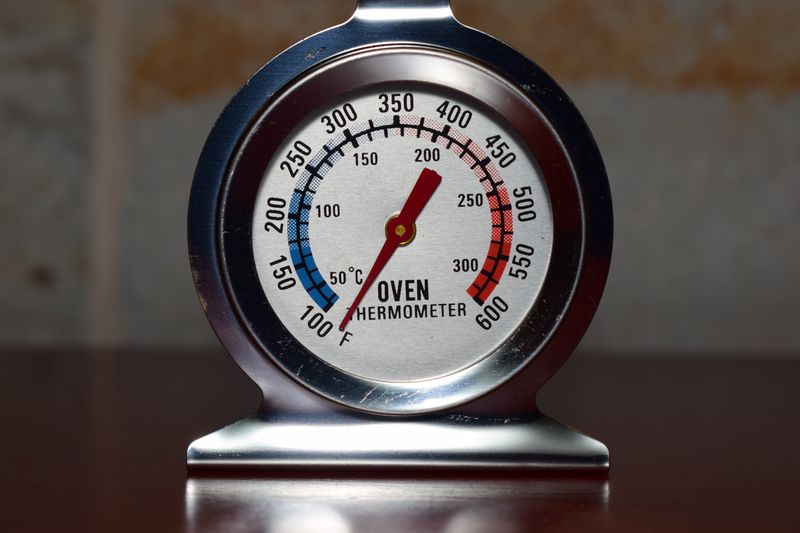
Water boiling at the surface holds it at around 100C, and Maillard chemistry only becomes fast well above that. So a loaf surrounded by steam will not brown while the steam lasts, no matter how hot the oven is. Once the surface dries, its temperature climbs rapidly and browning begins, usually somewhere above about 140C.
This is exactly why bread recipes call for steam early and a dry oven later. It also explains why a boiled dumpling is pale and a fried one is brown.
Sugars available for the reaction
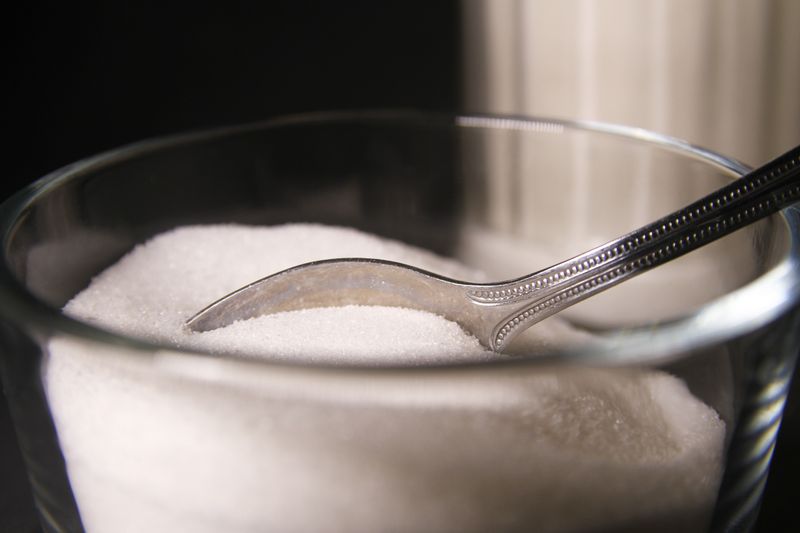
Not all sugars participate; the reaction needs reducing sugars such as glucose, fructose and maltose. Sucrose, ordinary table sugar, is not a reducing sugar until it breaks down into glucose and fructose under heat or acid.
In bread, flour enzymes break starch into maltose during fermentation, which is why long-fermented loaves brown more deeply. This is also why a dough that has run out of available sugar after a very long ferment bakes pale. Adding a little malt, honey or milk supplies reducing sugars directly and restores the colour.
Protein sources
Milk, eggs and the flour proteins themselves all supply the amino groups the reaction needs. An egg wash browns dramatically because it concentrates protein at the surface where the heat is highest. Milk powder in an enriched dough contributes both protein and lactose, a reducing sugar, and browns very readily.
A lean water dough with no dairy browns more slowly and needs a hotter oven or a longer bake to colour.
Brushing with milk rather than water before baking is a small change with a visible result.
pH matters
The reaction runs faster in slightly alkaline conditions and slower in acidic ones. This is why pretzels dipped in an alkaline solution develop such a deep mahogany colour so quickly. It is also why bicarbonate of soda in a recipe encourages browning as a side effect of its leavening role.
In the tin, a very sour sourdough with a low pH can bake noticeably paler than a mild one at the same temperature. Understanding this stops you blaming the oven for a colour problem that came from the dough.
Proving times are written for a warm kitchen, and yours may not be one.
Managing it in practice
If a crust is pale, dry the surface earlier, raise the oven temperature or supply reducing sugars. If a crust is dark before the interior is cooked, lower the temperature and extend the time, or cover with foil. Enriched doughs brown so fast that they almost always need a lower oven than lean ones, often 170 to 185C.
Colour is genuine flavour rather than decoration, so a pale bake tastes flatter as well as looking worse. Aiming for deep golden rather than light gold is one of the easiest upgrades in home baking.
The takeaway
Dry the surface, supply sugar and protein, then give it enough heat to actually react.
Patience is an ingredient, and it is the one people leave out.
Questions readers ask
Is there any health reason to avoid a very dark crust?
Very high temperature browning of starchy foods produces acrylamide, and many food agencies advise aiming for golden rather than dark brown. This is a general dietary point rather than a reason to avoid browning altogether.
Why does my sourdough brown less than my yeasted bread?
Either the fermentation consumed most of the available sugars, or the dough is acidic enough to slow the reaction. A shorter bulk, or a little malt in the dough, usually restores the colour.