Baking Science
Caramelisation and Maillard get confused, and they are not the same
One needs only sugar and a lot of heat. The other needs protein and starts much lower. Telling them apart explains why some things brown and others simply burn.
Treat the sections below as a sequence. With caramelisation versus Maillard browning, getting the early decisions right makes the later ones much easier.
Before you start
- Caramelisation is sugar decomposing with no protein involved.
- Sucrose caramelises around 160 to 170C.
- Most baked browning is a mixture of both reactions.
Caramelisation on its own
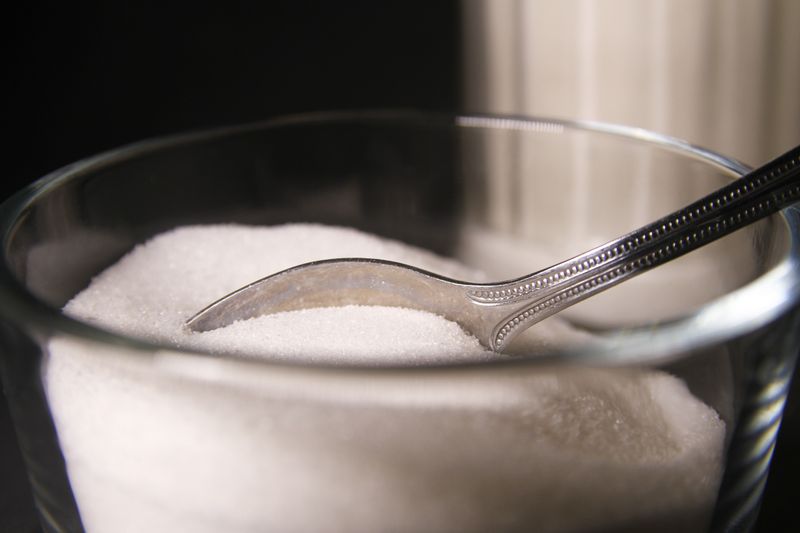
Caramelisation is the thermal decomposition of sugar, where the molecules break apart and recombine into new compounds. Sucrose begins caramelising somewhere around 160 to 170C, though the exact figure depends on purity and conditions. Fructose starts lower, around 110C, and glucose higher, which is why honey and syrups colour so much faster than white sugar.
The products include bitter, nutty and fruity compounds along with the familiar brown colour. No protein is involved at any stage, which is the defining difference from the Maillard reaction.
Maillard on its own
Maillard chemistry begins meaningfully above about 140C and requires both reducing sugars and amino groups. It produces a far wider range of aroma compounds, which is why roasted and baked flavours are so complex.
At oven temperature, because it starts at a lower temperature, it is usually well underway before caramelisation begins. It also runs slowly at lower temperatures over long periods, which is how a slow-cooked stock develops colour. In practice, a bread crust or a biscuit is producing both sets of compounds at once.
Why the distinction matters
If a recipe is browning too fast, knowing which reaction dominates tells you what to change. A high-sugar biscuit darkening at the edges is largely caramelising, so lowering the oven helps more than adding moisture.
A pale enriched loaf lacking protein at the surface benefits from an egg or milk wash rather than more heat. Blaming the wrong reaction leads to adjustments that do nothing, which is a common source of frustration. The two also taste different, with caramel notes reading sweeter and Maillard notes reading savoury and roasted.
Sugar type and colour speed
Invert sugars such as golden syrup and honey contain glucose and fructose, both of which colour faster than sucrose. Brown sugar carries molasses, which brings its own colour and additional reactive compounds.
Recipes swapping white for brown sugar or honey will therefore brown faster and usually need a lower oven. Milk sugar, lactose, is a reducing sugar and participates in Maillard reactions readily, which is why milk washes work.
None of these are neutral substitutions, however similar the sweetness may be.
Temperature control in practice
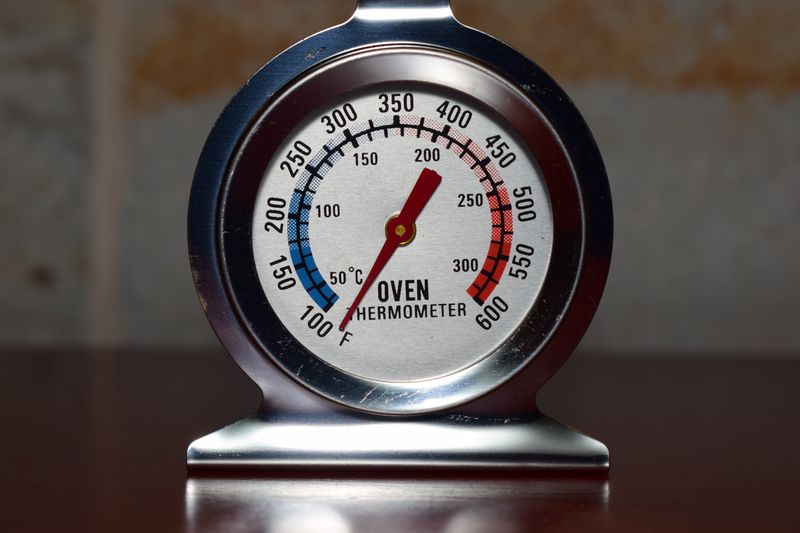
Biscuits and cookies with high sugar content often bake best at 160 to 180C rather than higher. Bread benefits from a hot start because the crust needs to dry and reach browning temperatures quickly. Enriched and sweetened doughs sit between, usually 170 to 190C, with foil applied once the colour is right.
In the tin, fan ovens dry surfaces faster and therefore brown faster, which is part of why the temperature is dropped for them. A dark tin absorbs radiant heat and browns bases faster, which matters more than most bakers expect.
Weigh rather than scoop wherever a recipe leaves you the choice.
Flavour, not just colour
Both reactions create flavour compounds that simply do not exist in the raw ingredients. A pale bake has not just failed to colour; it has failed to develop the majority of its aroma. This is why underbaked biscuits taste of raw flour and sugar rather than of biscuit.
The dough tells you first: pushing colour one shade darker than feels comfortable usually improves the eating quality noticeably. The exception is anything where bitterness appears quickly, such as very high sugar caramels and nut-heavy bakes.
The takeaway
Work out which reaction you are short of, and change the wash or the temperature accordingly.
Bake it badly once on purpose. The failure teaches more than the photograph.
Questions readers ask
Does caramelisation happen inside a loaf of bread?
Essentially no, because the interior stays close to 100C and never gets hot enough. All the browning chemistry happens at the crust, which is why crust and crumb taste so different.
Why do onions brown at much lower temperatures than sugar caramelises?
Because the browning there is largely Maillard chemistry between the onion's own sugars and its amino acids, which begins far below caramelisation temperatures. The term caramelised onions is a culinary label rather than a chemical description.