Baking Science
Why bread goes stale fastest in the fridge
Staling is not drying out. It is starch recrystallising, and that process has a temperature preference that puts the fridge at exactly the wrong point.
The points below about why bread goes stale are ordered by how much difference they make, not by how often they get repeated.
What matters most
- Retrogradation runs fastest just above freezing.
- Freezing below about minus 18C effectively stops it.
- Reheating above 60C temporarily reverses much of it.
What staling actually is
During baking, starch granules absorb water and lose their ordered crystalline structure, forming a soft gel. As the bread cools and sits, those starch molecules slowly reorganise back into ordered crystalline regions.
That reorganisation, called retrogradation, expels water and makes the crumb firm, dry and crumbly. It is not evaporation, which is why bread in a sealed bag still goes stale despite losing almost no water. The water is still in the loaf; it has simply moved out of the starch and into the crust.
The temperature preference
Retrogradation runs fastest at temperatures a little above freezing, roughly the range a domestic fridge occupies. It slows at room temperature and slows dramatically below about minus 18C, where the water is locked as ice. So bread on the counter stales more slowly than bread in the fridge, which is genuinely counterintuitive.
A loaf that would take two days on the counter can reach the same state in less than one in the fridge. This is one of the few pieces of common kitchen advice that is both correct and reliably surprising.
Freezing works properly
Freezing a loaf while fresh halts retrogradation almost entirely, preserving the crumb close to how it was. Slice before freezing so you can take what you need without thawing the whole loaf repeatedly. Wrap tightly, since freezer burn is a drying problem and is entirely separate from staling.
Once the crumb sets, thaw at room temperature in the wrapping, or toast slices directly from frozen. The whole loaf approach works too and gives a better crust if you refresh it in a hot oven.
Refreshing stale bread
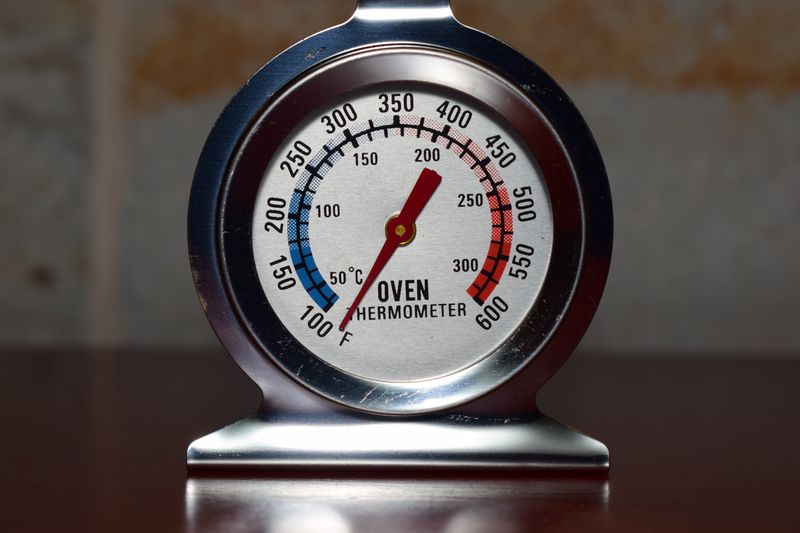
Heating bread above about 60C reverses much of the retrogradation, softening the crumb again temporarily. A whole loaf sprayed lightly with water and given ten minutes at 180C comes back remarkably well. The effect is temporary, and the loaf will stale again faster than the first time as it cools.
This is why refreshed bread should be eaten within an hour or two rather than kept. Toasting works on the same principle and is why stale bread makes better toast than fresh.
What slows staling
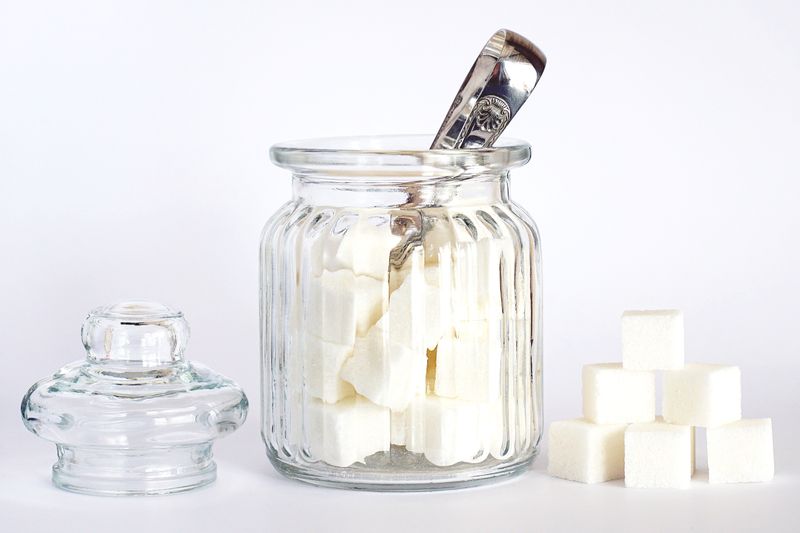
Fat coats starch molecules and slows their reassociation, which is why enriched breads keep so much longer. Sugar binds water and keeps it available, which has a similar delaying effect. Higher hydration loaves start with more water and take longer to reach the same firmness.
Commercial bread uses enzymes and emulsifiers specifically to extend this, which is most of why it stays soft for a week. A lean, low-hydration baguette has none of these advantages, which is exactly why it is a same-day bread.
Storing sensibly
A paper bag keeps the crust crisp but lets the crumb dry; a plastic bag does the reverse. A bread bin or a cloth bag is a reasonable compromise for a day or two.
Once the crumb sets, cut side down on a board works well for a crusty loaf you will finish within a day. For anything beyond two days, freezing is straightforwardly better than any storage method. The only reason to refrigerate bread is to slow mould growth in a very warm, humid climate, and it costs you texture.
Everything above, in order of what to do first
- What staling actually is. During baking, starch granules absorb water and lose their ordered crystalline structure, forming a soft gel.
- The temperature preference. Retrogradation runs fastest at temperatures a little above freezing, roughly the range a domestic fridge occupies.
- Freezing works properly. Freezing a loaf while fresh halts retrogradation almost entirely, preserving the crumb close to how it was.
- Refreshing stale bread. Heating bread above about 60C reverses much of the retrogradation, softening the crumb again temporarily.
- What slows staling. Fat coats starch molecules and slows their reassociation, which is why enriched breads keep so much longer.
- Storing sensibly. A paper bag keeps the crust crisp but lets the crumb dry; a plastic bag does the reverse.
The takeaway
Counter for two days, freezer after that, and keep the fridge for everything except bread.
Patience is an ingredient, and it is the one people leave out.
Questions readers ask
Does the crust go stale in the same way?
No. The crust goes soft rather than hard, because moisture migrates outward from the crumb into it. That is why refreshing in a hot oven crisps the crust and softens the crumb at the same time.
Why does supermarket bread stay soft for a week?
It generally contains fat, sugar, emulsifiers and enzymes chosen specifically to slow retrogradation, plus a higher moisture content. That is a formulation decision rather than anything mysterious.