Baking Science
Water hardness, chlorine and pH: what your tap does to dough
Water is a third of a dough by weight and it is not chemically neutral. Its mineral content and pH have measurable effects, though smaller ones than the internet suggests.
Both approaches to water chemistry in baking work. What differs is what they cost you, and the cost is what this sets out.
The difference in one place
- Moderately hard water strengthens gluten slightly.
- Chlorine can slow a starter but rarely stops it.
- Distilled water is worse than tap water, not better.
Minerals and gluten
Calcium and magnesium ions in hard water interact with gluten proteins and tighten the network slightly. Very soft water tends to produce slacker, stickier dough, and very hard water can make it noticeably tight. Commercial bakeries sometimes adjust water mineral content deliberately, which tells you the effect is real.
For home baking the difference is usually small enough to be absorbed by a minor hydration adjustment. If you move house and your familiar recipe suddenly behaves differently, water is one plausible explanation.
Chlorine and chloramine
Chlorine is added to drinking water in many countries and is antimicrobial by design. At typical tap concentrations it slows yeast and bacteria a little but does not usually prevent fermentation. Chlorine dissipates if water stands uncovered for an hour or so, which is a free precaution if you are worried.
Chloramine, used in some supply systems, is more stable and does not evaporate in the same way. A carbon filter removes both, and bottled or filtered water is a reasonable choice for building a new starter.
pH effects
Most tap water sits between about pH 6.5 and 8.5, which is a narrow enough range that dough barely notices. Fermentation acids drive the dough pH down far more than the starting water ever could. Strongly alkaline water can slow fermentation slightly, and strongly acidic water can weaken gluten over long ferments.
In the tin, neither is common in a municipal supply, so this is rarely the explanation for a problem. If you have a private well or unusual supply, it is worth knowing your figures rather than guessing.
Why distilled water is a bad idea
Distilled and deionised water contains no minerals at all, and yeast needs trace minerals to function well. Doughs made with distilled water tend to be slack and to ferment sluggishly.
Once the crumb sets, the absence is a genuine deficiency rather than a neutral baseline, which surprises people. Ordinary tap water contains a useful mineral load and is the better default almost everywhere.
This is one case where the more processed option is clearly worse.
Temperature is the bigger variable
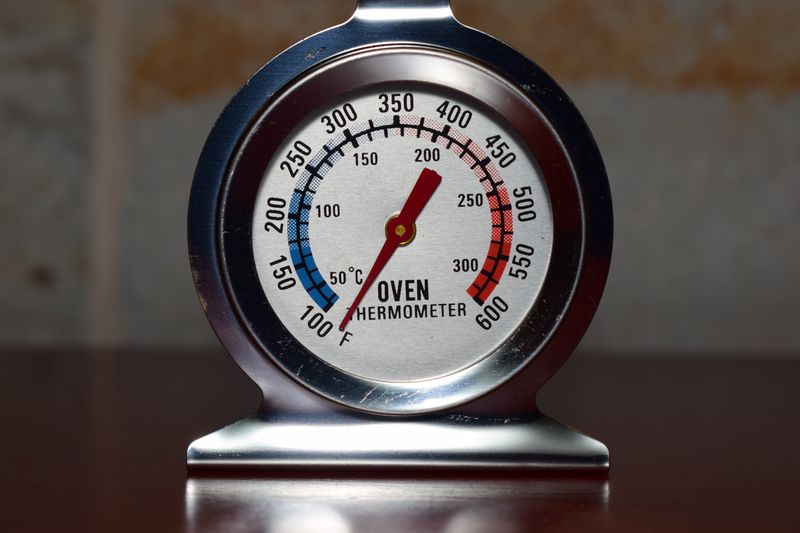
Water temperature affects the dough far more than water chemistry does, and it is entirely under your control. A ten degree difference in water temperature can change bulk fermentation time by an hour or more. Chasing water chemistry while ignoring water temperature is a common misallocation of attention.
Weighed out, get the final dough temperature right consistently before worrying about anything else about the water. If both are controlled and the dough still misbehaves, then look at the flour.
Weigh rather than scoop wherever a recipe leaves you the choice.
When water genuinely is the problem
A new starter that will not establish over ten days despite warmth and regular feeding is worth testing with filtered water. A sudden change in dough behaviour after a change in supply or a switch to a water softener is worth investigating. Softened water using ion exchange replaces calcium with sodium, which can slacken dough noticeably.
In that case, using the unsoftened tap in the kitchen, if you have one, is the simplest fix. Outside these situations, water is rarely the limiting factor in a home bake.
Side by side
| Consideration | What it means in practice |
|---|---|
| Minerals and gluten | Moderately hard water strengthens gluten slightly. |
| Chlorine and chloramine | Chlorine can slow a starter but rarely stops it. |
| pH effects | Distilled water is worse than tap water, not better. |
The takeaway
Control the water temperature first, and only look at the chemistry when everything else is already right.
Temperature and time are the same argument held at opposite ends.
Questions readers ask
Should I use bottled water for sourdough?
Only if your tap water is heavily chlorinated and you are having trouble establishing a starter. An established starter is robust enough that ordinary tap water almost never causes problems.
Does very hard water need a hydration adjustment?
Sometimes, by a small amount. If your dough feels consistently tighter than the recipe suggests, adding two or three per cent more water is a reasonable first correction.