Tins & Tools
Tin material and colour change the bake more than the recipe admits
Dark steel, shiny aluminium, glass and ceramic transfer heat at very different rates, and the same batter in each comes out visibly different.
Everything below about how baking tins affect heat comes from what actually happens rather than from what is supposed to.
What holds up in practice
- Dark tins absorb radiant heat and brown bases faster.
- Glass and ceramic heat slowly but hold heat once hot.
- Reduce the temperature by around 10 to 20C for dark or glass tins.
Shiny aluminium
Light-coloured aluminium reflects a good deal of radiant heat and conducts what it absorbs very quickly and evenly. That combination gives gentle, uniform baking with pale, soft crusts and minimal risk of scorched bases.
It is the standard choice in professional kitchens for cakes and sheet pans for exactly that reason. The trade is that browning is slower, so a recipe wanting a crisp golden base may underdeliver. Anodised aluminium behaves similarly with a harder, more durable surface.
Dark and non-stick steel
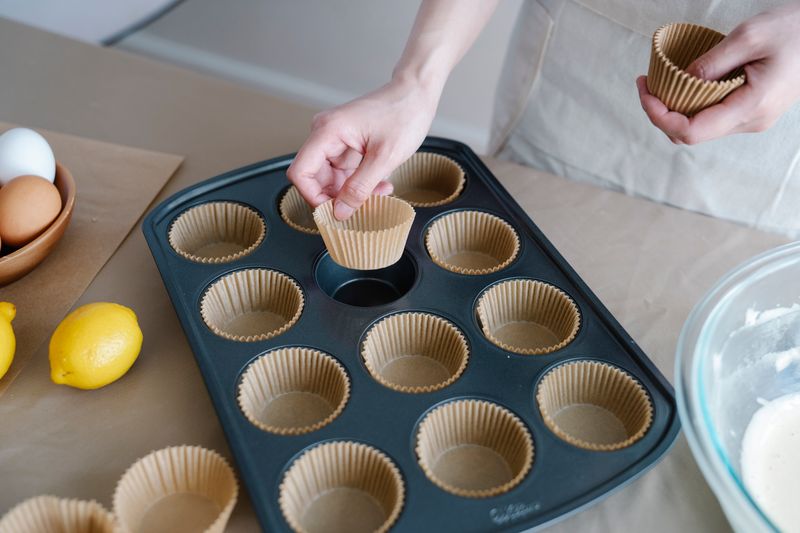
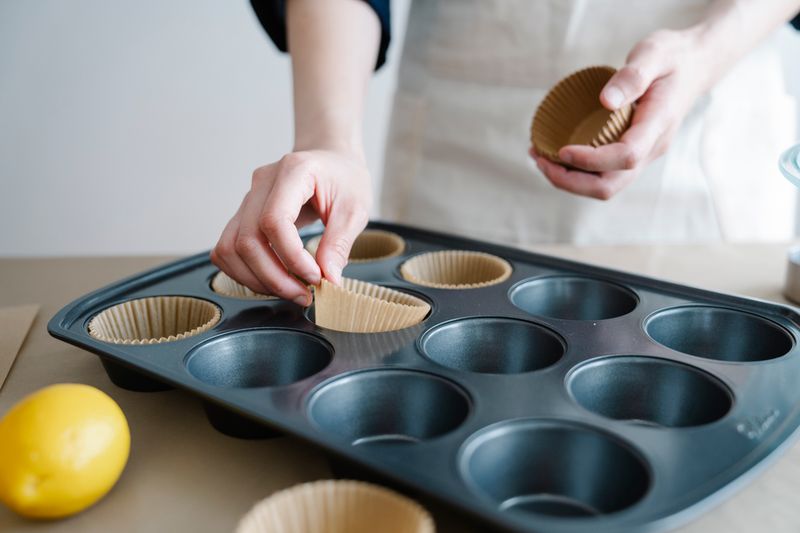
Dark surfaces absorb radiant heat rather than reflecting it, so the tin itself gets hotter than a shiny one. Bases and edges brown considerably faster, which suits bread and some tray bakes but overbrowns delicate cakes.
The usual correction is to reduce the oven temperature by ten to twenty degrees and check earlier. Non-stick coatings are convenient but wear, and metal utensils shorten their life dramatically. A dark tin that consistently gives you burnt cake bases is doing exactly what it is designed to do.
Glass and ceramic
Both are poor conductors, so they heat slowly and the contents take longer to start cooking. Once hot, they hold heat well and keep cooking after they leave the oven, which matters for carryover. Glass transmits radiant heat through to the food, which can brown a base more than you expect.
Reducing the temperature by around ten to twenty degrees is a common recommendation for glass dishes. Ceramic is excellent for slow bakes and gratins and poor for anything that needs a fast, crisp base.
Thickness and construction
A heavy gauge tin distributes heat more evenly and resists warping, which matters over years of use. Thin tins develop hot spots and buckle in a hot oven, which then rocks on the shelf and bakes unevenly. Seamed tins with rolled edges are stronger but can trap batter, while one-piece tins clean more easily.
Once the crumb sets, loose-bottomed and springform tins add convenience at the cost of a small leak risk with runny batters.
For a wet batter in a springform, wrapping the outside in foil is standard practice rather than paranoia.
Silicone
Silicone moulds conduct heat very poorly, so items bake slowly and come out pale with soft edges. They also flex, so they need a rigid tray underneath for both support and heat transfer. For intricate shapes and easy release they are genuinely useful, particularly for frozen and set preparations.
At oven temperature, for anything wanting a browned crust or a crisp base, they are the wrong tool. Expect to add several minutes to the bake and to accept a paler result.
Proving times are written for a warm kitchen, and yours may not be one.
Choosing deliberately
Match the tin to the outcome: light aluminium for tender cakes, dark steel for bread and browned bases. If a recipe specifies a tin material, that is usually a real instruction rather than an incidental detail. Keeping one of each type covers most needs without accumulating a cupboard full of specialist shapes.
In the tin, when a familiar recipe suddenly behaves differently, a new tin is a plausible and easily missed cause. Write the tin you used on the recipe alongside the temperature, since the two go together.
The takeaway
Know what your tins do, adjust the temperature for the dark ones, and note the tin on the recipe.
Patience is an ingredient, and it is the one people leave out.
Questions readers ask
Does lining with parchment cancel the tin material effect?
It reduces it but does not remove it, since the tin is still the thing absorbing and conducting the heat. Parchment mainly affects release and prevents direct contact browning.
Should I grease and flour or just line with parchment?
Parchment is more reliable for anything sticky or delicate, and it removes the risk of a floured crust. Greasing alone is fine for well-seasoned or non-stick tins with a robust batter.