Tins & Tools
The five small tools that change bread more than any appliance
A bench scraper, a blade, a banneton, a scale and a probe cost less between them than one mixer, and each removes a specific obstacle.

What follows is an argument about essential small baking tools, and about where the received version of it stops being true.
The argument in brief
- A bench scraper handles wet dough that hands cannot.
- A lame cuts cleanly where a knife drags.
- A banneton wicks moisture and firms the surface.
The bench scraper
A stiff metal scraper lets you lift, divide and turn wet dough without it sticking to your hands. It also cleans the bench in one pass, which makes working with 75 per cent hydration dough genuinely practical.
During shaping, the scraper drags the dough against the bench to build surface tension without deflating it. A flexible plastic scraper does the complementary job of clearing a bowl completely. Between them they cost very little and remove the largest source of frustration in wet-dough handling.
The lame
A razor blade held in a handle is far sharper than any kitchen knife and cuts dough without dragging. A curved blade lifts the flap slightly as it cuts, which is what produces a pronounced ear.
Blades are cheap and should be replaced as soon as they start to pull rather than slice. A straight blade in a simple holder is fine, and even a bare razor blade works if handled carefully. The difference between a sharp lame and a bread knife on a proved loaf is immediately visible.
The banneton
A cane or wooden proving basket wicks moisture from the dough surface, firming it and improving the score. It also supports a wet dough that would otherwise spread during a long final prove or cold retard. A bowl lined with a floured tea towel does most of the same job for nothing.
Rice flour on the lining resists absorbing moisture and releases far better than wheat flour. Never wash a cane banneton with soap; brush it out and let it dry completely between uses.
The scale and the probe
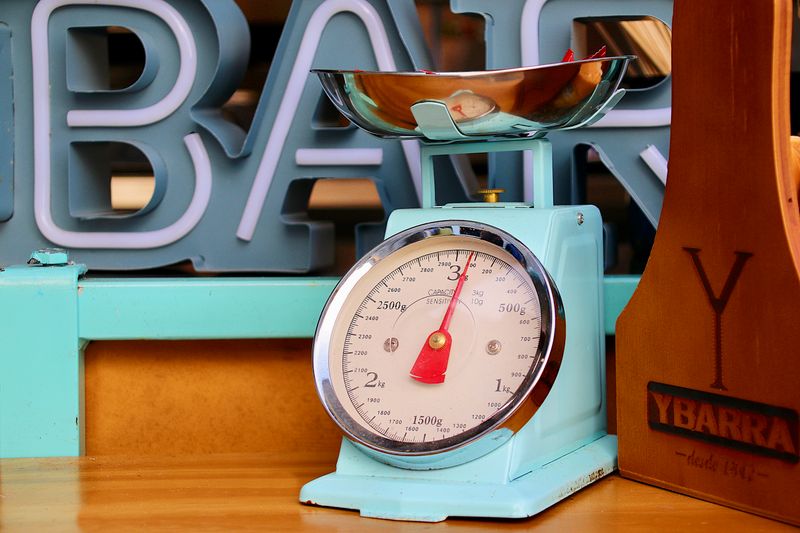
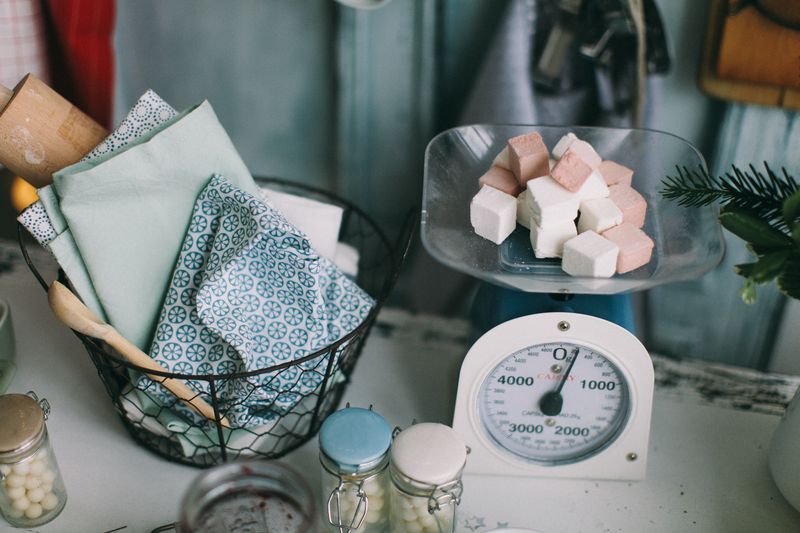
Weighing removes the largest variable in any recipe and makes baker's percentages usable. The probe closes the loop by telling you when the loaf is actually done and what temperature the dough mixed at.
Together they turn baking from a set of instructions into a process you can measure and adjust. Neither is expensive and both are used on every single bake rather than occasionally. If you buy nothing else on this list, buy these two.
What you can skip
Bread machines produce acceptable loaves but teach you almost nothing and limit what you can make. Specialist proving cabinets are convenient but a water bath does the job for a fraction of the price. Elaborate scoring stencils are decorative rather than functional and add nothing to the loaf.
By the second rise, expensive flour storage containers matter less than keeping flour cool, dry and used within a few months. Most gadget spending in baking buys convenience rather than better bread.
Flour absorbs water differently by brand and by season; hydration is a target, not a rule.
Building up gradually
Start with the scale, since everything else depends on accurate weights to be worth doing. Add the scraper next, because it is what makes higher hydration doughs approachable at all. The probe follows, then the lame, then the banneton once you are baking free-standing loaves regularly.
A lidded pot completes the set and is the only item on the list that costs real money. That sequence spreads the cost while each addition solves a problem you have already met.
The takeaway
Buy the scale and the scraper first, and let each later purchase solve a problem you have already hit.
Bake it badly once on purpose. The failure teaches more than the photograph.
Questions readers ask
Do I need a banneton to make good sourdough?
No. A bowl lined with a well floured tea towel supports the dough just as effectively. The banneton is more convenient and leaves an attractive pattern, but it does not change the loaf.
What is the single best first purchase?
A digital scale, because it makes every recipe repeatable and every adjustment measurable. Everything else on the list is more useful once your weights are accurate.