Baking Science
Milk does four things in a dough that plain water cannot
Swapping water for milk is treated as a small enrichment, and it changes browning, crumb, keeping and how fast the dough ferments all at once.

Comparisons of dairy in baked goods usually pick a winner. This one picks the circumstances, which is more useful.
The difference in one place
- Milk sugars brown even when the batter contains little added sugar.
- Milk proteins soften the crumb and slow gluten development slightly.
- Milk fat behaves like any other added fat in the dough.
What milk brings that water does not
Milk is mostly water, but the remainder is a mixture of sugar, protein, fat and minerals that all affect the bake. The sugar in milk browns readily during baking, which gives a deeper crust colour even in a barely sweetened dough. The proteins interfere modestly with gluten development, producing a slightly softer and finer crumb than water gives.
The fat behaves as any other fat does, coating flour and tenderising the structure around it. Together those effects explain why a milk loaf looks and eats so differently from a water loaf of the same recipe.
Why crusts brown faster
Browning reactions need sugars and proteins together with heat, and milk supplies both in useful quantities. That is why enriched milk doughs colour early and often need a lower oven than a lean water dough.
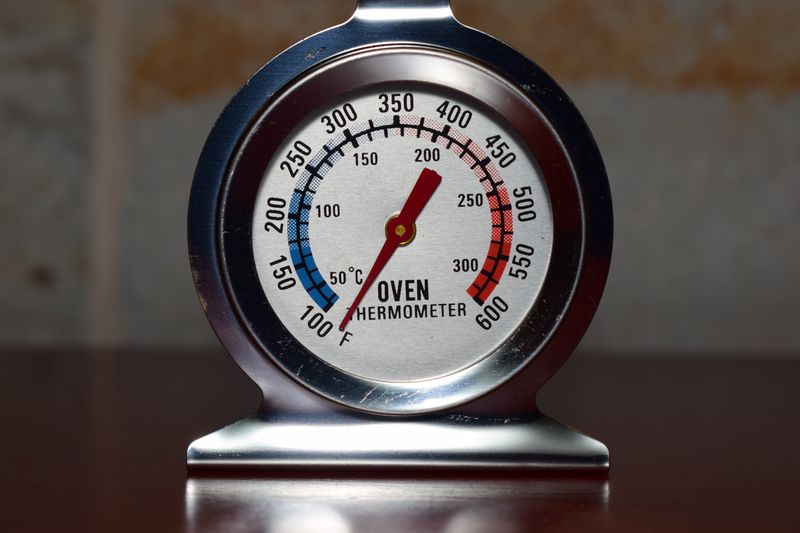
The dough tells you first: the colour arrives before the interior is finished, which is a common cause of pale, underbaked centres in milk breads. Covering the top loosely once the colour is right lets the inside catch up without the crust darkening further. Milk powder concentrates this effect, which is one reason it appears in soft roll recipes.
The scalding question
Older recipes instruct that milk be scalded before use, and the practice has a real basis rather than being a hygiene relic. Certain milk proteins interfere with gluten development, and heating deactivates them so the dough develops normally. Modern commercial milk has usually been heat treated already, which is why many recipes now omit the step.
Weighed out, scalding also dissolves milk powder more thoroughly and warms the liquid towards a useful dough temperature. If your dough with milk is noticeably slack and weak compared with the same recipe in water, scalding is worth testing.
Cultured dairy and acidity
Buttermilk, yoghurt and soured cream bring acidity alongside their water, protein and fat. That acidity reacts with bicarbonate of soda and also weakens gluten, giving a more tender crumb.
By the second rise, it slows yeast slightly as well, so a cultured dairy bread may ferment more slowly than the same dough with milk. The flavour contribution is distinct and survives baking better than most delicate aromatics do.
Substituting between these is a chemistry decision, since each carries a different balance of acid, fat and protein.
Cream, butter and concentrated dairy
Cream is largely fat suspended in water, so using it in place of milk adds fat and reduces the effective liquid. Butter is the same relationship pushed further, with most of the water removed and the fat concentrated. Milk powder adds the sugar, protein and minerals of milk without adding any liquid at all, which is useful in a controlled dough.
Condensed and evaporated milks bring concentrated sugars that brown very quickly and change the sweetness balance. Reading which of these a recipe uses tells you what it was trying to add and what it was trying to avoid.
Plant-based alternatives
Plant milks vary widely in sugar, protein and fat, so they do not all substitute for dairy in the same way. Those with little protein or sugar brown far less, which shows up as a pale crust on an otherwise correct bake.
Weighed out, some carry stabilisers and gums that thicken a batter noticeably, changing how much liquid the recipe needs. Others carry a distinct flavour that becomes obvious in a lightly flavoured bake and vanishes in a chocolate one. Testing one substitution at a time is the only reliable approach, since the products differ from each other as much as from milk.
Side by side
| Consideration | What it means in practice |
|---|---|
| What milk brings that water does not | Milk sugars brown even when the batter contains little added sugar. |
| Why crusts brown faster | Milk proteins soften the crumb and slow gluten development slightly. |
| The scalding question | Milk fat behaves like any other added fat in the dough. |
The takeaway
Milk is water carrying sugar, protein and fat, so expect all three to show up in the finished crust and crumb.
Temperature and time are the same argument held at opposite ends.
Questions readers ask
Can I use milk instead of water in any bread recipe?
You can, and the loaf will be softer, browner and slightly slower to ferment. Watch the crust colour, since it will arrive earlier than you are used to.
Does the fat content of the milk matter?
It matters most in rich doughs and enriched batters, where the extra fat noticeably tenderises the crumb. In a lean bread the difference between milks is small compared with the difference from water.
Also by Gaurav Bhattacharya
- Baker's percentages let you rescale, compare and diagnose any recipeBaking Science
- Altitude changes every leavened recipe, and pressure is the reasonBaking Science
- Amylase, falling number and why bakers add malt to flourBaking Science
- A set of one gram scales is the cheapest upgrade in the kitchenTins & Tools