Tins & Tools
Muffin Pans Come In Two Sizes And Recipes Assume One
Standard and jumbo muffin cups hold very different volumes, so the same batter in the larger pan bakes to a different time, shape and internal texture.
A muffin recipe is written for a specific cup volume, and American pans are sold in more than one. Using the wrong size changes the bake in ways the instructions do not cover.
The volume difference is larger than it looks
A jumbo cup is only modestly wider and deeper than a standard one, but volume grows with all three dimensions at once.
The result is a cup that holds substantially more batter while looking like a slightly bigger version of the same thing on the shelf.
Mini pans run the same problem in reverse, holding a small fraction of a standard cup and finishing in a fraction of the stated time.
Bake time does not scale with volume
Heat travels inward from the surface, and a larger muffin has proportionally less surface for its mass. It needs longer than the volume difference suggests.
Simply extending the timer overbakes the outside before the center is done, which produces a dry shell around a damp core.
Lowering the temperature and lengthening the bake is the working correction, because it slows the surface without slowing the interior as much.
Fill level decides the shape of the top
A cup filled to about two thirds bakes into a rounded dome that stays within the cup. A cup filled to the rim spills over and forms a flat mushroom cap.
Bakery-style muffins with wide overhanging tops are made by deliberately overfilling and starting at a high temperature so the batter sets while it is still spreading.
The same overfilling in a home oven at a moderate temperature produces a batter that runs across the pan surface and welds the muffins together.
Empty cups change the pan, not the muffins
Leaving cups empty exposes bare metal to oven heat, which some bakers believe warps the pan or scorches the neighboring muffins.
The practical effect is minor in a home oven. An empty cup gets hot, and the muffin beside it browns slightly faster on that side.
Filling spare cups with water moderates that and adds humidity, though it also cools the pan and can extend the bake by a few minutes.
Liners and greasing are not equivalent
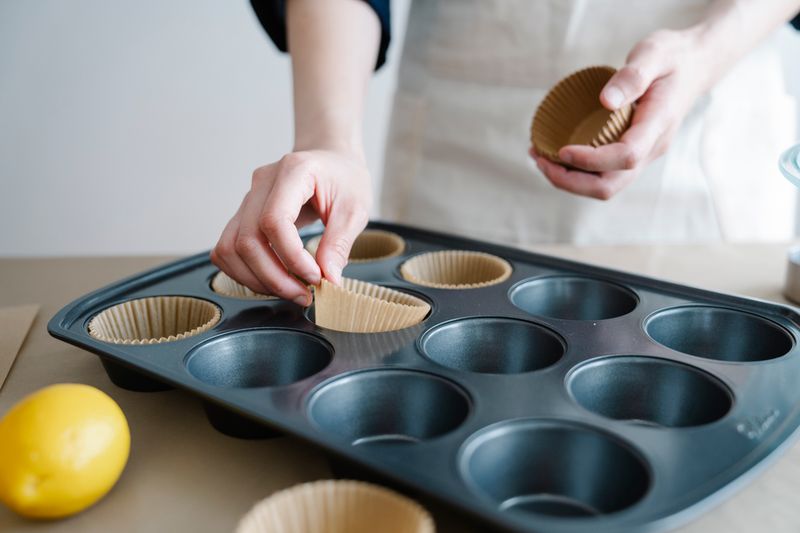
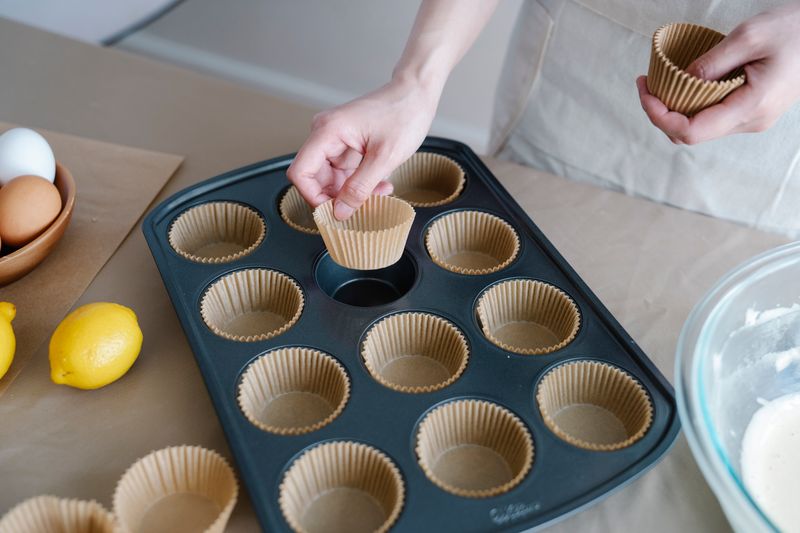
Paper liners insulate slightly, so a lined muffin browns less on the sides and releases without any contact with metal.
A greased cup puts batter directly against hot metal, which fries the outside and gives a crisper, darker crust.
Which of the two a recipe assumed matters most for batters low in fat, where the difference in surface texture is the difference between good and dry.
Questions readers ask
Can I use unglazed quarry tiles instead?
Many people do, and they work reasonably well for the price. Choose unglazed tiles rated as food safe, leave gaps for air, and accept that they are more fragile than a purpose-made stone.
Is a steel worth it if I only bake bread in a pot?
Less so, since the pot already gives you excellent heat transfer and steam retention. It still helps by stabilising the oven, but the marginal gain on the loaf itself is small.
Also by Gaurav Bhattacharya
- Baker's percentages let you rescale, compare and diagnose any recipeBaking Science
- Altitude changes every leavened recipe, and pressure is the reasonBaking Science
- Amylase, falling number and why bakers add malt to flourBaking Science
- A set of one gram scales is the cheapest upgrade in the kitchenTins & Tools