Cakes & Sponges
Melted butter is a third path, and it lifts nothing on its own
A cake made with melted butter is neither a creamed cake nor an oil cake, and understanding what it gave up explains where its lift has to come from.
The theory of melted butter in cake batters is well covered elsewhere. This is about the version you meet in practice.
What holds up in practice
- Melted fat cannot hold air, so creaming aeration is gone entirely.
- The lift must come from eggs, raising agent or steam.
- Butter carries water and milk solids that oil does not.
What melting the butter costs you
Creaming works because solid fat holds air bubbles between its crystals, and those bubbles expand in the oven. Melted butter has no crystal structure at all, so it cannot trap or hold any air however hard you beat it. A batter made with melted butter therefore starts with almost none of the aeration a creamed batter begins with.
The lift has to be supplied by whipped eggs, by chemical raising agents or by steam from the liquid in the batter. Recipes written for melted butter account for this, which is why substituting it into a creamed recipe fails.
What melted butter gives back
Liquid fat coats flour more thoroughly than solid fat does, which limits gluten formation and gives a very tender crumb. That coating also produces a slightly denser, moister texture that many people prefer in a loaf cake or a brownie. The method is quicker and needs no waiting for butter to soften, which is a genuine practical advantage.
By the second rise, it is far more tolerant of temperature, since there is no ideal softness to hit before mixing can begin. For batters where a close, fudgy crumb is the aim rather than a light one, it is the correct choice.
Why it is not the same as oil
Butter contains water and milk solids alongside its fat, so melted butter is an emulsion rather than pure fat. That water becomes steam in the oven and contributes a little lift that oil cannot provide. The milk solids brown during baking, contributing flavour and colour that a neutral oil does not.
Butter also solidifies at room temperature, which is why butter cakes firm as they cool and oil cakes stay soft. Swapping oil for melted butter weight for weight therefore changes both the moisture and the set of the finished cake.
Browned butter and what it changes
Cooking the butter until the milk solids toast produces nutty aromatic compounds that survive baking. The process also drives off much of the water, which slightly reduces the liquid in the batter.
That loss matters in a lean recipe and barely registers in a rich one, so read the recipe before substituting. The toasted solids should be scraped into the batter rather than discarded, since they carry most of the flavour.
Cooling browned butter before mixing prevents it cooking the eggs and helps it emulsify into the batter properly.
Mixing a melted butter batter
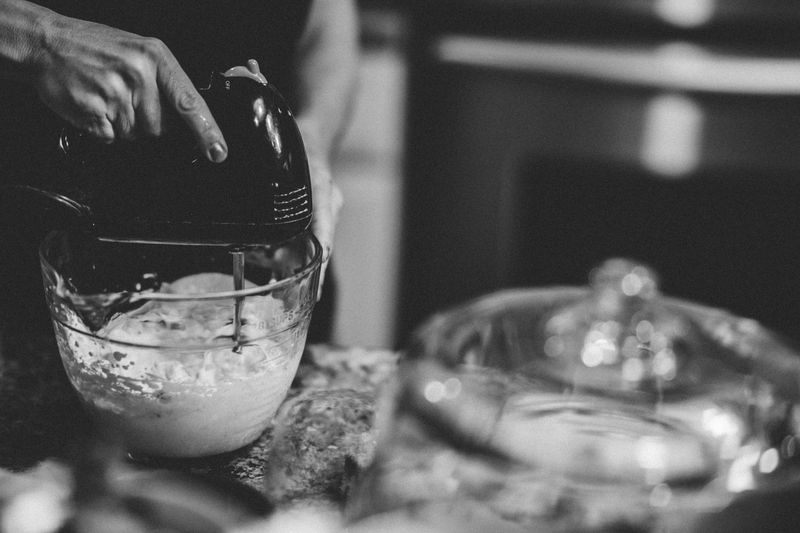
The usual order combines the liquids, including the melted butter and the eggs, before adding the dry ingredients. Mixing only until the flour disappears matters, because there is no fat crystal structure protecting against gluten development. Warm butter can partially cook eggs if added directly, so let it cool to something close to room temperature.
Weighed out, if the batter looks greasy or separated, the emulsion has broken and the cake will bake with a heavy, oily base. Adding the butter gradually while whisking, rather than in one pour, keeps the emulsion together.
Cakes built around the method
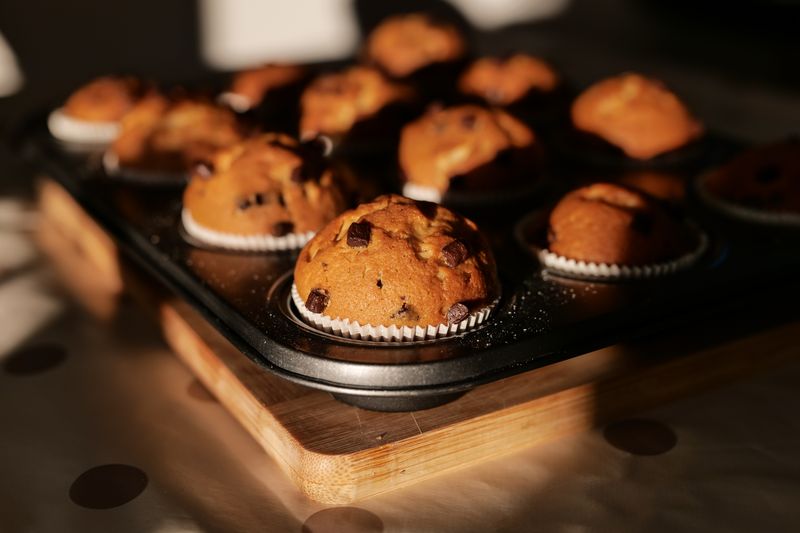
Brownies and many traybakes use melted butter deliberately, since a dense fudgy texture is the goal. Financiers and similar small cakes use browned butter for flavour, with beaten egg whites supplying the structure. Muffin-style batters use melted fat because speed and tenderness matter more than a fine even crumb.
Certain sponge cakes fold warm melted butter into a whisked egg foam, where the eggs do all the lifting. In every case the recipe has arranged its lift elsewhere, which is exactly what a converted recipe forgets to do.
The takeaway
Melted butter buys tenderness and speed, so make sure the recipe has arranged its lift somewhere else.
Patience is an ingredient, and it is the one people leave out.
Questions readers ask
Can I use melted butter instead of softened butter in a creamed recipe?
Not without changing the recipe, because you remove the aeration that the creaming stage was providing. The cake will be denser and flatter unless the raising agent and method are adjusted.
Does browned butter need to be strained?
Only if the solids have gone past brown into black and bitter, in which case straining rescues the fat. Well-browned solids are worth keeping for the flavour they carry.