When It Goes Wrong
A tough, rubbery cake means gluten did work it should not have
The same protein that gives bread its chew makes a cake unpleasant, and almost every route to it runs through the mixing bowl.

This is less a set of instructions about tough cake crumb than an argument, and it is worth saying so at the start.
The argument in brief
- Flour proteins form gluten whenever water and agitation meet them.
- Fat and sugar are the main defences against it.
- Overmixing after the flour goes in is the usual cause.
What toughness feels like and why
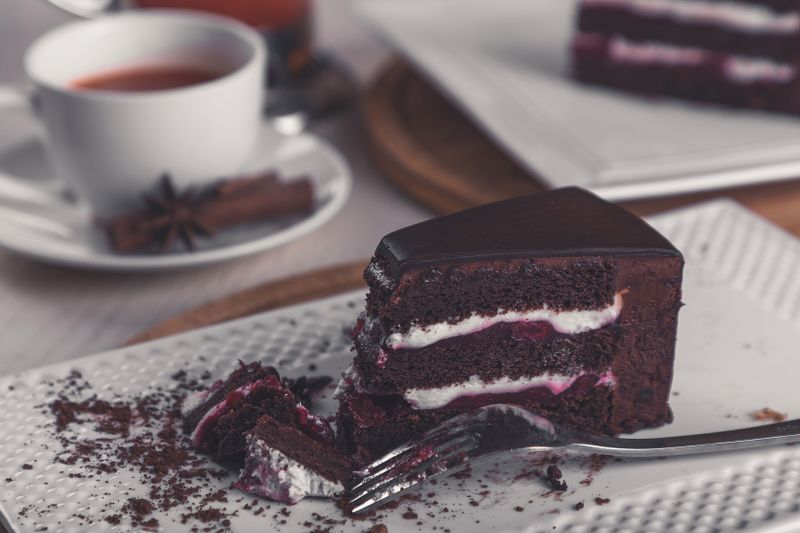
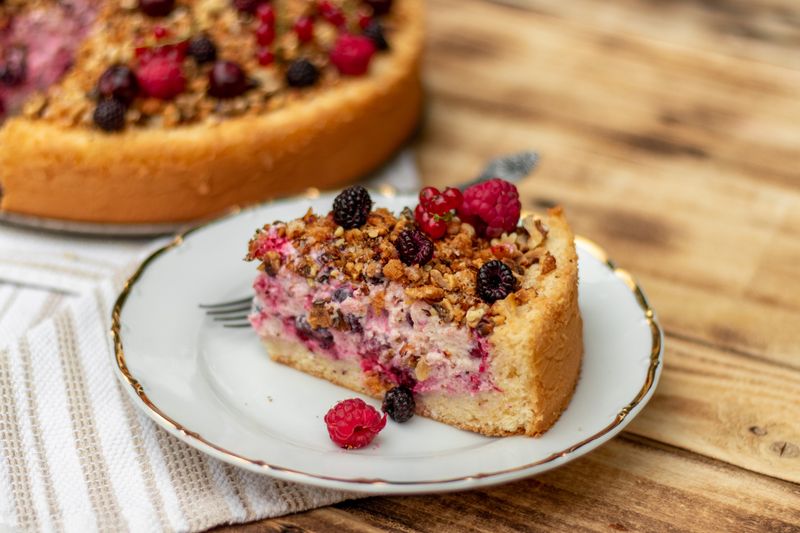
A tough cake resists the bite, tears rather than crumbles, and often has a slightly elastic, springy texture. Cut into it and the crumb looks tight and rather closed, sometimes with visible tunnels running upwards. That structure is a gluten network that developed while the batter was being mixed and then set firm during baking.
In bread it is exactly what you want, and in a cake it is the enemy of every quality you were aiming for. Recognising it as gluten rather than as a baking fault points you straight at the mixing stage.
Mixing after the flour goes in
Every rotation of the beater after the flour has been wetted builds a little more gluten into the batter. That is why cake methods add flour last and instruct you to mix only until it disappears. Scraping the bowl thoroughly before the flour goes in reduces the temptation to keep mixing afterwards.
Folding by hand gives far more control than a machine, since you can see exactly when the streaks vanish. A few small lumps of flour are less damaging than the extra mixing needed to remove them.
Ingredients that protect against it
Fat coats flour particles and blocks water from reaching the proteins, which is why rich batters are more forgiving. Sugar competes for water and slows gluten development, so reducing sugar makes a batter more prone to toughening.
Acid weakens gluten as it forms, which is part of why buttermilk and yoghurt cakes are consistently so tender. A weaker flour simply has less of the proteins involved, which is the most direct defence available. Cutting fat or sugar from a recipe removes protection, and the cake often turns tough as a result.
Flour choice and measurement
Using bread flour in a cake is the fastest route to toughness, and it happens more often than bakers admit. Adding more flour than the recipe intends increases both the protein present and the mixing needed to combine it. Measuring flour by scooping a cup compacts it, which is why the same recipe behaves differently between kitchens.
Weighed out, substituting part of the flour with cornflour dilutes the protein and softens the crumb noticeably.
Weighing is the single most effective change if toughness keeps appearing in cakes made to a good recipe.
Other routes to a tough crumb
Overbaking hardens the crumb in a way that resembles toughness but comes from moisture loss instead. Too many eggs, particularly whites, adds protein that sets firm and can read as rubberiness.
The dough tells you first: insufficient raising agent gives a dense crumb that feels tough because it is closed rather than because of gluten. A batter left standing before baking loses gas and bakes tighter, which contributes to the same impression. Distinguishing between these matters a great deal, since each one has a different fix and they are very frequently confused.
Flour absorbs water differently by brand and by season; hydration is a target, not a rule.
Diagnosing from the slice
A tight, springy and elastic crumb with tunnels running upward through it points squarely at gluten developed during overmixing. A dry, crumbly crumb that is hard around the edges points at overbaking rather than at anything that happened in the bowl. Dense, damp and close with no tunnels points at insufficient leavening or a broken emulsion.
Rubbery with a slightly bouncy set, particularly in a low-fat recipe, points at too much egg white. Looking carefully at the crumb before deciding what went wrong saves you from repeating the wrong correction on the next attempt.
The takeaway
Stop mixing when the flour disappears, and give the batter the fat, sugar and weak flour it needs to stay tender.
Patience is an ingredient, and it is the one people leave out.
Questions readers ask
Can I rescue a tough cake?
Not in terms of texture, since the gluten is set and nothing will undo it. Cutting it thin, soaking it in syrup or using it in a layered dessert are the practical options.
Does sifting the flour prevent toughness?
Sifting aerates and removes lumps, which reduces the mixing needed afterwards, so it helps indirectly. It does nothing to the protein itself.